
Topheadlinenewstoday.com | Breaking News | May 26, 2026 | Africa | Health Crisis | WHO
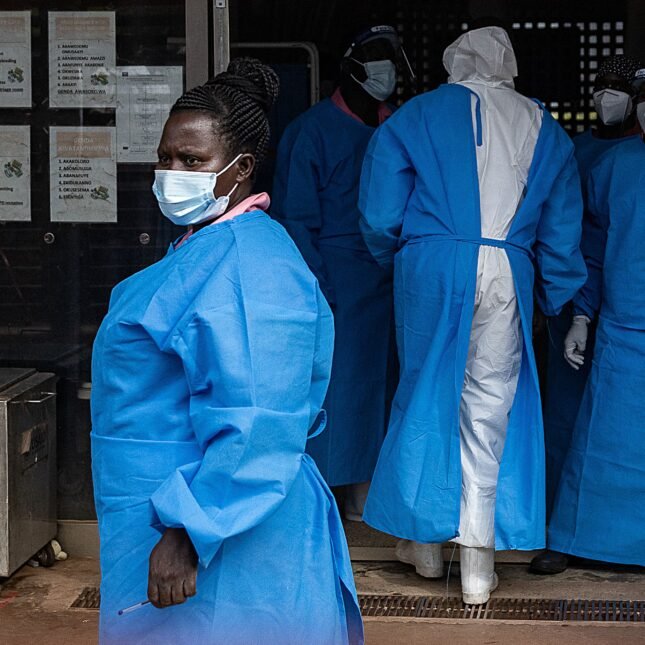
Africa confronts its most dangerous Ebola outbreak in years this week as the Bundibugyo strain of the virus continues to spread from its epicenter in Ituri Province, eastern Democratic Republic of Congo, into Uganda and threatens to reach ten additional countries across the continent. With 1,010 suspected and confirmed cases and at least 231 deaths recorded as of May 24, and no licensed vaccine or specific treatment available for this strain, Africa’s public health systems face a test that carries global implications.
The scale and speed of this outbreak have alarmed international health experts. When the DRC Ministry of Health officially confirmed the outbreak on May 15, 2026, the virus had already generated hundreds of suspected cases, meaning it had circulated undetected for weeks before laboratory diagnosis. The delay occurred because initial samples from a cluster of severe illnesses affecting healthcare workers in Bunia Health Zone tested negative for Ebola, sending responders down incorrect diagnostic pathways until a second round of testing at INRB Kinshasa on May 14 identified the Bundibugyo virus in eight of 13 samples.
The WHO has been explicit about why this outbreak is particularly difficult to manage. The Bundibugyo ebolavirus is distinct from the Zaire strain, and the vaccines and therapeutics developed in response to past Zaire outbreaks, including the devastating 2014 West Africa epidemic, do not provide protection or treatment for Bundibugyo. The two previous Bundibugyo outbreaks recorded case fatality rates between 30 and 50 percent. Early supportive care can improve survival odds, but without targeted countermeasures, each infected person who cannot access immediate clinical support faces those odds with no medical safety net.
The outbreak is spreading across a region that presents nearly every challenge that Ebola responders fear most. Ituri Province has experienced continuous armed conflict for decades, generating large displaced populations, fragmented health systems, and communities with deep mistrust of government institutions and outside responders. High population mobility driven by security concerns and active trade routes means that contacts of confirmed cases cross provincial and national borders before they know they have been exposed.
Uganda’s situation illustrates the cross-border dynamic precisely. The five cases confirmed in Kampala include individuals who traveled from Ituri before the outbreak was publicly known. Uganda confirmed three new cases on May 23, bringing its total to five. These are not cases of Uganda-based transmission, they are imported cases that now must be managed within Kampala’s dense urban environment and traced back through the networks of contacts each case created before isolation.
Africa CDC’s declaration of a Public Health Emergency of Continental Security on May 18 activated the highest-level emergency response framework available under African Union health governance. The agency has identified ten countries at risk of receiving imported cases based on travel and trade patterns connecting them to the DRC and Uganda. The list includes nations across East and Central Africa with significant air and road connectivity to the outbreak zones.
The United States government is deeply engaged in the response. The CDC mobilized immediately upon confirmation, leveraging existing relationships with the DRC and Uganda Ministries of Health. On May 18, the CDC and the Department of Homeland Security announced enhanced travel screening and entry restrictions at U.S. airports for travelers from affected countries, reflecting the precautionary posture that U.S. health officials adopted following lessons from the 2014 epidemic. The U.S. Embassy in Uganda issued an Ebola response update on May 23, coordinating American government resources with the national response.
Community engagement is the most critical variable in Ebola containment, and it is also the hardest to achieve quickly. The WHO has been explicit that outbreaks are only controlled when communities understand the disease, trust the responders, and actively participate in identifying and isolating cases. In conflict-affected Ituri, where government institutions and international organizations have often been associated with violence or displacement in the collective memory of local communities, building that trust is a weeks-long process that the outbreak’s pace does not readily accommodate.
Read More: FIFA World Cup 2026 Host Cities Under Immigration Data Pressure as Stadium Workers Protest and Civil Liberties Groups Sound Alarm
The WHO Director-General held a virtual ministerial briefing on May 25 to coordinate the global response, and the agency has committed to scaling up surveillance, contact tracing, clinical preparedness, supply delivery, and cross-border preparedness in partnership with both governments. Testing of promising treatment candidates is ongoing, and if any show efficacy against the Bundibugyo strain, accelerated deployment would become a priority.
The global risk remains classified as low, meaning the probability of Ebola reaching Europe, the Americas, or Asia through normal travel patterns is not high. But low probability is not zero probability, and the 2014 epidemic taught health authorities worldwide that delayed and fragmented responses to African outbreaks create risks that eventually transcend borders. The next 30 days of response in Ituri and Kampala will determine whether this outbreak joins the long list of contained DRC Ebola episodes or writes a different and more dangerous chapter.


