
October 22, 2025 | Washington, D.C.
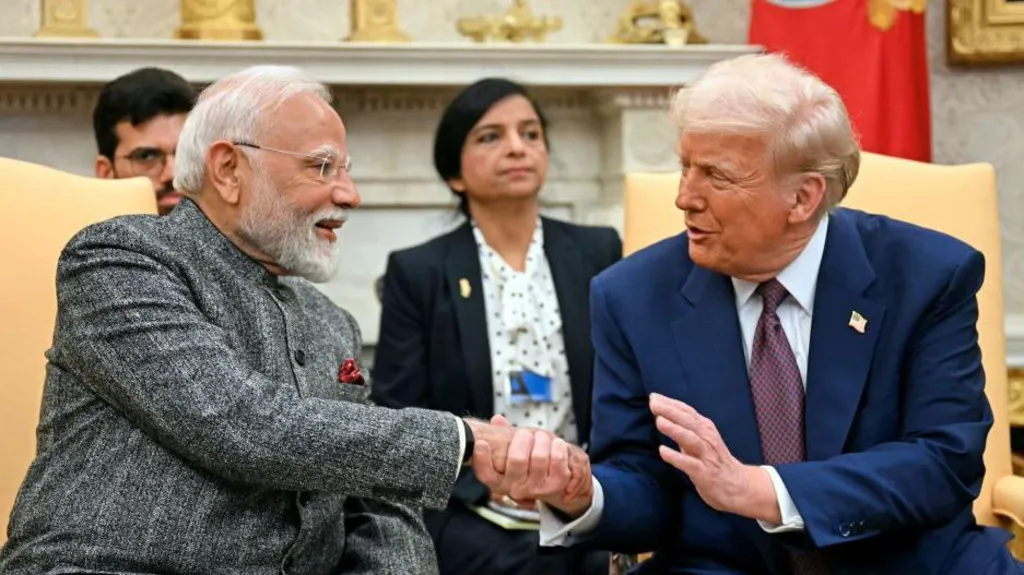
U.S. President Donald Trump has once again asserted that Indian Prime Minister Narendra Modi has agreed to significantly reduce India’s oil imports from Russia, a claim that Indian officials have not confirmed and continue to publicly deny. Speaking to reporters at the White House on Tuesday, Trump said his administration had secured a “strong assurance” from New Delhi to scale back energy ties with Moscow in line with international efforts to isolate Russia over its ongoing war in Ukraine.
Trump stated that Modi “assured” him India would “cut way back” on Russian crude purchases and align more closely with U.S. sanctions and trade restrictions. He linked the issue directly to the broader trade relationship between Washington and New Delhi, suggesting that India’s compliance could influence future tariff decisions and defense cooperation between the two countries.
“India has been a great partner, but we’re watching their energy deals closely,” Trump said. “Prime Minister Modi understands the importance of standing with the United States and the free world. We’re confident India will do the right thing.”
However, India’s Ministry of External Affairs offered a different account. In an official statement, spokesperson Randhir Jaiswal said the ministry was not aware of any such commitment or conversation regarding a reduction in Russian oil imports. He emphasized that India’s energy policy remains driven by national interests and affordability concerns.
“India’s oil purchases are guided by energy security and the needs of our citizens,” Jaiswal said. “We do not comment on hypothetical discussions or claims made elsewhere.”
India has remained one of the largest importers of discounted Russian crude since 2022, taking advantage of lower prices amid Western sanctions on Moscow. While the United States has continued to pressure India to diversify its energy sources, New Delhi has defended its position, arguing that its imports do not violate international law and are necessary to stabilize domestic fuel prices.
Analysts say Trump’s repeated claim could signal a renewed diplomatic push to bring India into closer alignment with Washington’s sanctions regime. Energy policy experts also suggest the statement may be intended for domestic audiences, as part of Trump’s effort to project strength in managing international relations ahead of key trade and defense discussions later this year.
Despite the U.S. assertions, trade data show India’s imports of Russian oil remain steady, with refiners continuing to process significant volumes for domestic use and re-export. The situation underscores the complex balancing act for both nations: Washington seeks to maintain strategic cooperation with New Delhi while sustaining economic pressure on Moscow, and India continues to navigate between energy affordability, geopolitical neutrality, and deepening ties with the United States.


