
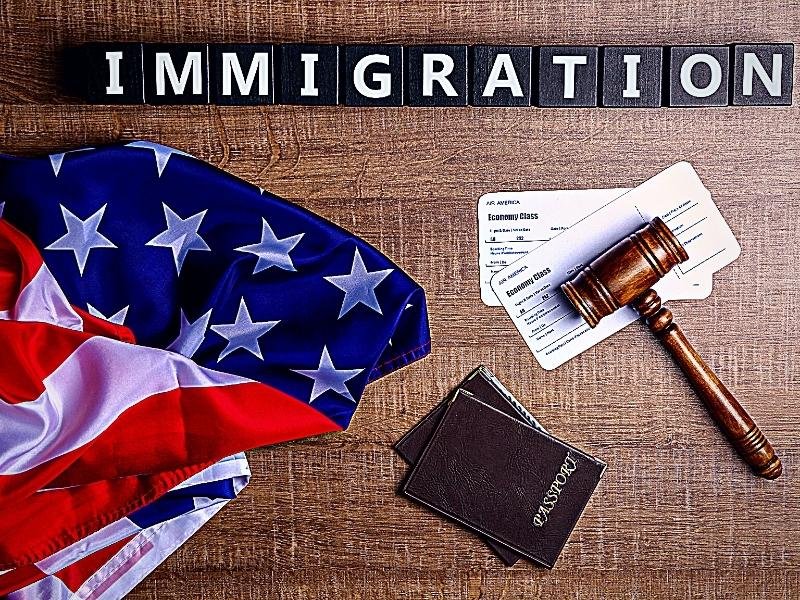
America’s legal immigration system, the pipeline through which the country has historically recruited global talent, built its technology industry, staffed its hospitals, and refreshed its entrepreneurial energy, is experiencing what immigration policy experts describe as the most severe and deliberately engineered contraction in its modern history, with consequences for American competitiveness that will unfold over decades, not years.
The numbers tell a stark story. The Cato Institute’s David Bier documents that cuts to legal immigration in 2026 run at twice the monthly pace of reductions in illegal border crossings, the opposite of the public perception shaped by wall funding debates and deportation raid footage. While the administration deported over 675,000 undocumented individuals and created conditions for an additional 2.2 million self-departures, it simultaneously applied equally aggressive restriction to every category of legal immigration the United States offers.
Student visa approvals declined precipitously throughout 2025 and into 2026. Universities across America report losing international enrollment at rates that threaten the financial models of major research institutions. International students, who typically pay full tuition and provide a critical cross-subsidy for domestic students receiving financial aid, represent essential revenue for flagship state universities and prestigious private colleges alike. Columbia University, MIT, the University of Michigan, and dozens of other institutions report enrollment application declines from their traditional international recruiting markets, including China, India, South Korea, and the Middle East.
The technology industry faces a talent crisis of its own making. H-1B skilled worker visa approvals dropped significantly, affecting companies that built engineering teams around the global talent marketplace. Silicon Valley executives warn publicly that restricting high-skill immigration during the most competitive moment in AI development history hands advantage to countries that actively recruit the talent America turns away. Countries including Canada, the United Kingdom, Germany, and Australia have launched targeted recruitment programs specifically aimed at capturing technical talent that cannot enter or remain in the United States.
Healthcare represents the domain where legal immigration restrictions generate the most immediately human consequences. Rural hospitals and community health centers that serve vulnerable populations depend disproportionately on internationally trained physicians and nurses. With American medical schools producing insufficient graduates to fill all available positions, particularly in primary care, internal medicine, and psychiatry, international medical graduates represent not a competitive preference but an operational necessity. Their absence leaves patients without care.
Refugee admissions collapsed to historic lows. The Trump administration halted entry for refugees previously approved through the full vetting process, reversing humanitarian commitments made under prior administrations to populations in active conflict zones, including those fleeing the very Middle East war now dominating global headlines.
Asylum access at ports of entry closed through executive action. The legal pathways that distinguished the American immigration system from those of authoritarian states, the ability to arrive and request protection under international law, now function as theoretical rights with no practical mechanism for exercise.
Read More: Pope Leo XIV Meets World Leaders, Greenland Tariff War Erupts, and Iran Ceasefire Hangs by a Thread: Today’s Top Global Developments June 1, 2026
The Migration Policy Institute’s Julia Gelatt describes the scope of change as unprecedented in the breadth of categories affected. Every immigrant visa pathway faces some combination of new restrictions, processing slowdowns, policy reversals, or administrative obstacles that function as de facto denial even without formal changes to statute.
The long-term competitiveness implications concern economists across the political spectrum. The United States built its technological leadership, its pharmaceutical industry, its academic research capacity, and its entrepreneurial culture partly on the contributions of immigrants who chose America over every other option. The systematic dismantling of the legal pathways that made that choice available represents a bet that America can sustain its global leadership position with a smaller and less internationally diverse talent pool. Most economists who study immigration’s economic effects regard that bet as exceptionally risky.


