
Diplomacy, conflict, and trade tensions intersected on multiple continents today as the world navigates one of its most complex geopolitical environments in recent memory. From the Vatican to the Persian Gulf, from Brussels to Washington, June 1, 2026, brings a day of consequential developments that shape the trajectory of global affairs.
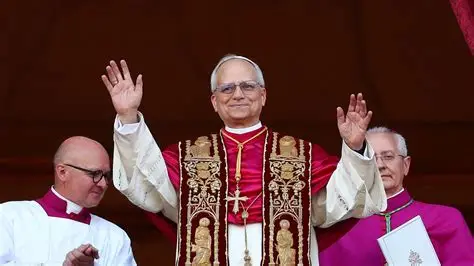
Pope Leo XIV received Spain’s Prime Minister Pedro Sanchez in a private audience at the Apostolic Palace in Vatican City, continuing preparations for the pontiff’s planned visit to Spain in June. The meeting comes as the Catholic Church’s new leader attempts to position the Vatican as a voice for diplomatic resolution in a world marked by active conflicts and escalating trade hostilities. Sources close to the Vatican indicate that the pontiff used the audience to advocate for humanitarian corridors in the Middle East conflict zone, where the ongoing Iran war threatens civilian populations across the Gulf region.
In Brussels, European Union foreign ministers convened emergency consultations over the 25 percent US tariffs that took effect today on goods from Denmark, Norway, Sweden, France, Germany, the Netherlands, Finland, and the United Kingdom. EU Justice Commissioner Michael McGrath faced pointed questions from MEPs about Brussels’ response strategy, amid broader tensions over Hungary’s rule-of-law compliance and frozen EU funds. European trade officials are weighing proportional counter-tariffs against American goods while attempting to avoid an escalation that could further damage European economies already stressed by elevated energy costs.
Hungary’s Prime Minister Viktor Orban faces a new challenge as talks between opposition leader Peter Magyar and EU Commission President Ursula von der Leyen aim at securing the release of 17 billion euros in frozen EU funds. Magyar’s rising popularity among Hungarian voters signals a potential political shift that could alter Budapest’s posture toward Brussels.
In the Persian Gulf, the fragile ceasefire between the United States and Iran continues to face daily tests. The US military reported destroying six Iranian small boats in response to attacks on commercial vessels in the Strait of Hormuz, even as diplomatic channels remain open. Brent crude responded with a near 6 percent surge in a single session, reaching $114.44 per barrel before easing slightly. International Maritime Organization officials say the situation requires immediate diplomatic resolution to prevent the humanitarian and economic consequences from worsening.
China’s President Xi Jinping pressed forward with bilateral diplomatic engagements across Southeast Asia, reinforcing Beijing’s trade partnerships in the context of American tariff pressure. Chinese officials framed Beijing’s zero-tariff access offer to African nations as evidence of a more constructive approach to Global South partnerships than Washington’s tariff-first strategy.
In Washington, the Trump administration navigated simultaneous legal challenges to its tariff authority and immigration enforcement powers, while senior officials defended the administration’s Iran strategy before congressional committees. Defense Secretary officials confirmed that US military assets in the Gulf region remain at high alert, with no timeline yet established for a full drawdown.
Read More: Trump’s One Big Beautiful Bill Medicaid Cuts Hit 2026 Enrollment Deadlines as 7.6 Million Americans Risk Losing Health Coverage
Global financial markets traded cautiously, with oil volatility dominating commodity desks, European equities falling on tariff news, and US Treasury yields ticking higher as investors priced in persistently elevated inflation risk. Gold held above historic highs as investors sought safe haven assets.
The coming days and weeks will test whether diplomacy can break through on both the Iran conflict and the transatlantic trade dispute, or whether 2026 deepens into a year defined by simultaneous crises with no clear path to resolution.


