
Sunday, May 10, 2026 | By Top Headline Diplomatic Desk
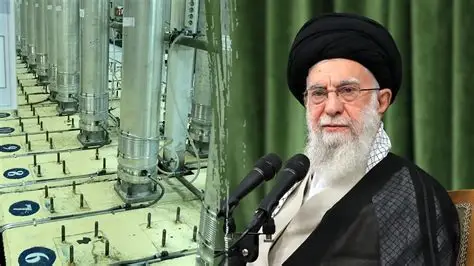
Diplomacy is alive, but barely. Iran sent an updated peace proposal to American mediators through Pakistan on Friday, triggering a brief but meaningful retreat in global oil prices and raising, for the first time in weeks, a credible possibility that the 71-day war between the United States, Israel, and Iran could find an exit ramp before the global energy system reaches a breaking point. Yet President Donald Trump’s response was characteristically unambiguous: he is ‘waiting for the exact wording,’ while warning that he was prepared to strike ‘a lot harder and a lot more violently’ if Tehran does not comply with American demands.
The conflict’s origins lie in the joint US-Israeli airstrikes that launched on February 28, 2026, targeting Iranian military infrastructure and including the assassination of Supreme Leader Ali Khamenei and other senior Iranian officials. Iran’s response was swift: the Islamic Revolutionary Guard Corps closed the Strait of Hormuz, the world’s most critical energy chokepoint, to all foreign shipping, and launched a wave of missile and drone strikes against Israel, US military bases, and American-allied nations across the Middle East.
The path to the current diplomatic stalemate passed through a series of failed attempts at resolution. A two-week ceasefire brokered by Pakistan on April 8 collapsed when the Islamabad Talks on April 11 and 12 failed to produce a framework agreement. The US Navy imposed a formal naval blockade on Iranian ports on April 13, creating what analysts describe as a dual blockade of the strait, with Iran blockading inbound shipping and America blockading Iranian outbound trade. US Central Command estimates the blockade is costing Iran approximately $500 million per day in lost oil revenue, a figure Tehran disputes.
Iran’s Foreign Ministry spokesman confirmed that a new US offer circulating through Oman had been deemed ‘unacceptable’ to Tehran, even as Friday’s peace proposal through Pakistan suggested Iran is still searching for negotiated terms it can accept. The gap between the two sides remains substantial. Trump has publicly stated that he wants ‘unconditional surrender’ and has shown little appetite for partial agreements. Iran, with its Supreme Leader assassinated and its military infrastructure severely damaged, is nonetheless fighting on multiple fronts and appears unwilling to accept terms it views as national humiliation.
Three ships have been seized under the US naval blockade, 33 vessels have been intercepted by CENTCOM, and 26 have reportedly bypassed the blockade through alternative routes, according to Lloyd’s List. Iran retaliated by seizing two cargo ships in the Gulf of Oman. The insurance market for vessels attempting any passage near the Hormuz region has effectively shut down, with premiums reaching prohibitive levels that make commercial operations economically impossible regardless of the military situation.
Pakistan’s role as the primary mediator reflects a significant diplomatic development. Islamabad’s relationship with both Washington and Tehran, combined with its position as a nuclear power with influence across the Islamic world, has positioned it as perhaps the only credible interlocutor both sides will speak through. Pakistan’s Prime Minister has invested considerable political capital in the mediation effort, and a second round of Islamabad Talks is widely expected. Whether those talks produce a workable framework depends on whether Trump’s administration is willing to offer Iran anything beyond total capitulation.
China has also emerged as a potential diplomatic actor. Al Jazeera reported questions this week about whether Beijing could help end the Iran war, given its extensive economic relationships with Tehran and its interest in a functioning Strait of Hormuz for its own energy supplies. China imports approximately 11 million barrels of oil per day, a significant portion of which historically flowed through Hormuz. The prolonged closure is inflicting real economic pain on Chinese industry and the broader Asia-Pacific supply chain.
Read More: Russia Scales Back Victory Day Parade Amid Ukrainian Drone Threat as War Enters New Phase
European governments are pressing Washington for a diplomatic resolution, alarmed by the speed at which the energy crisis is dismantling their economic recovery. But European leverage over American military policy remains limited. NATO allies who opposed the Iran offensive have been careful not to fracture the alliance publicly. Their private communications, according to multiple diplomatic sources, are considerably more urgent.
The diplomatic window of May 2026 may prove either the turning point or the moment the crisis became irreversible. If Iran’s Friday proposal contains a genuine framework that Washington can work with, a negotiated end to the blockade could emerge within weeks. If the proposal is dismissed and US strikes escalate further, the pathway back to a functioning global energy system narrows dramatically. Markets, governments, and ordinary people the world over are watching the back-channel communications between Washington and Tehran with a level of attention that few diplomatic processes in modern history have commanded.


