
Published: Tuesday, May 5, 2026 | Breaking News
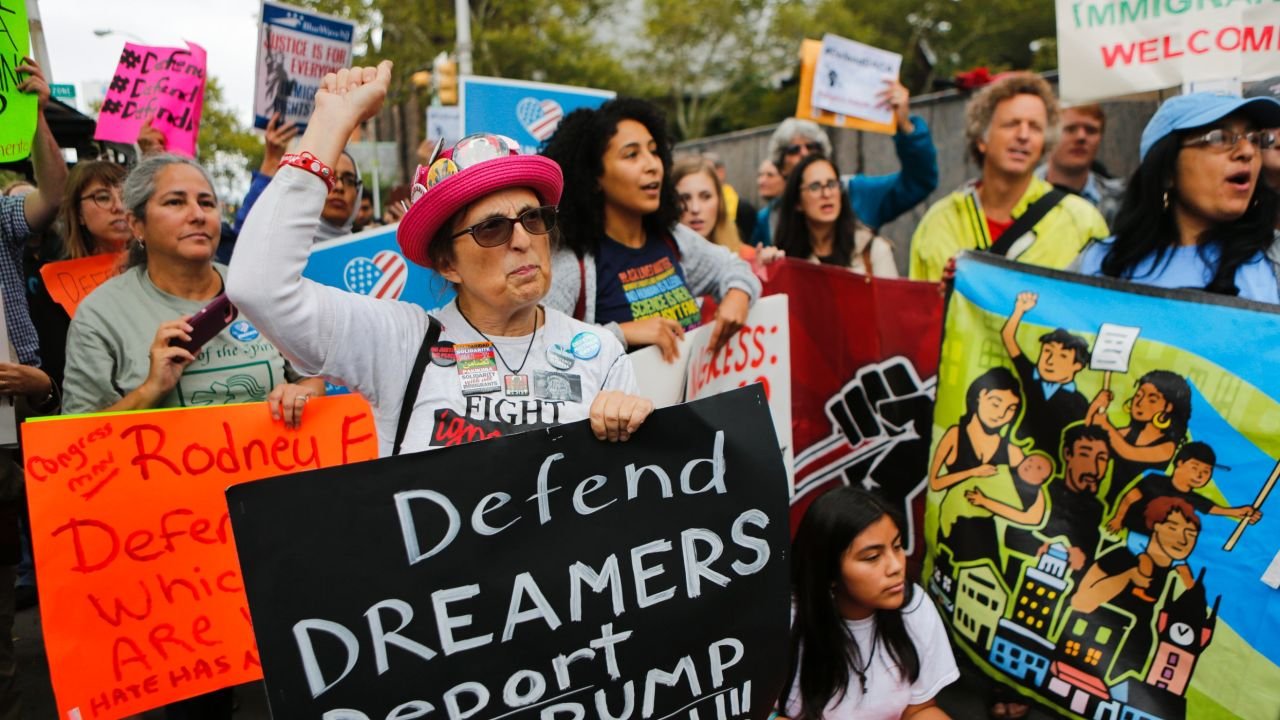
The Trump administration has dealt the most devastating blow yet to the Deferred Action for Childhood Arrivals program, as the Board of Immigration Appeals, an administrative court housed within the Justice Department, ruled last week that DACA status alone is no longer sufficient grounds to block deportation. The precedent-setting decision puts more than half a million people at genuine legal risk and has sent shockwaves through immigrant communities, advocacy organizations, and school systems across the United States.
The ruling came in the case of Catalina “Xochitl” Santiago, a DACA recipient and immigration rights advocate who was detained by Customs and Border Protection officers while boarding a domestic flight at El Paso airport last August and held in immigration detention for approximately two months before a federal judge ordered her release in October. A three-judge panel of appellate immigration judges sided with Department of Homeland Security lawyers and ruled that the original immigration judge had “erred” by terminating her removal proceedings solely on the basis of her DACA status.
The Board of Immigration Appeals took the additional step of reassigning Santiago’s case to a different immigration judge, a move that legal experts interpreted as a signal that the original jurist had compromised her standing by ruling too sympathetically. The case now returns for another review, and although Santiago does not face immediate deportation, the precedent applies nationwide. Every DACA recipient who ends up before an immigration judge may now face a broader evidentiary hearing in which DHS prosecutorial interests are weighed alongside their protected status.
DACA, created under President Barack Obama in 2012, has protected immigrants who arrived in the United States as children from deportation and granted them work authorization. Recipients must renew their status every two years and meet ongoing eligibility requirements. The program has never provided a pathway to citizenship, leaving its approximately 506,000 current beneficiaries in permanent legal limbo that has now become far more dangerous.
The National Immigration Law Center stressed that DACA protections remain technically valid and that immigration judges still have the authority to stop deportations on DACA grounds. But the ruling means judges must now more closely weigh DHS interests, making outcomes far less predictable for Dreamers who find themselves in removal proceedings. “This decision now basically says that DACA does not make you immune from being removed,” said Amanda Maya, who leads the immigrant justice program at the Lawyers Committee for Civil Rights of the San Francisco Bay Area.
The human cost is already visible. In February, Maria de Jesus Estrada Juarez, a DACA holder who came to the United States at age 15 and had no criminal record, was detained by ICE at a green card appointment in Sacramento and deported within 24 hours. “I don’t know how we’ve gotten to this point,” her daughter said. It was a devastating outcome.
Read More: Global Economy on Edge as US-Iran War Triggers Stagflation Warning, S&P 500 Hits Record Then Retreats on Energy Fears
Democratic Congressmember Delia Ramirez of Illinois, whose husband is a former DACA recipient, called the BIA ruling very concerning and described it as part of a broader effort to weaponize the court system against immigrants. She called on Congress to pass permanent legislation ending the legal limbo of DACA recipients, but with the Republican majority in both chambers showing no appetite for immigration relief, legislative action appears unlikely in the near term.
According to an NPR analysis, the Board of Immigration Appeals backed government lawyers in 97 percent of publicly posted cases over the past year, a jump of at least 30 percentage points above the historical average. The board also published 70 rulings in the same period, a record number of precedent-setting decisions. Immigration attorneys describe the pace as relentless and the outcomes as systematically hostile to immigrant relief claims in ways that go far beyond normal policy variation. The Dreamers who built their lives on the promise of DACA are now facing a future of profound uncertainty, with legal advocates stretched thin and legislative protection nowhere in sight.


