
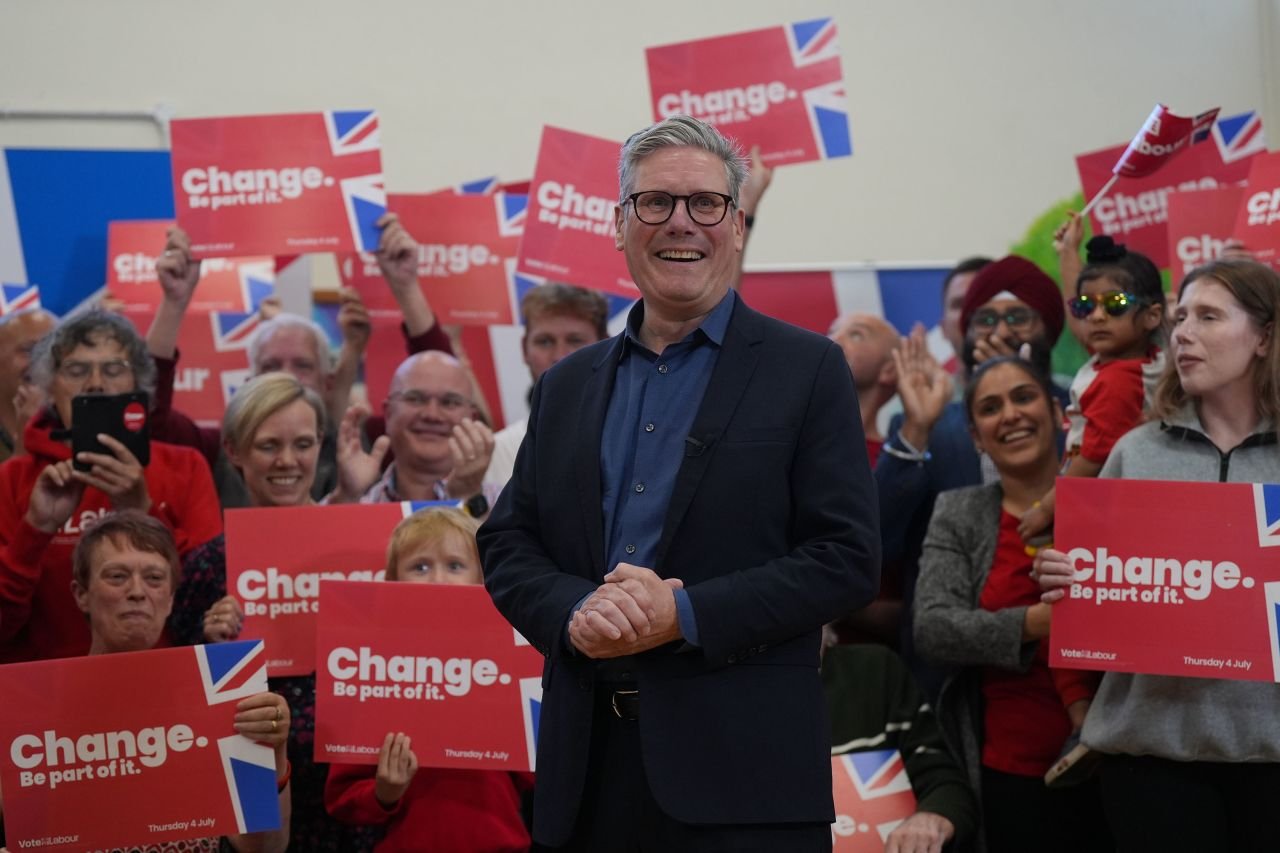
British Prime Minister Keir Starmer finds himself under mounting political pressure this week after his Labour Party suffered major losses in local elections held across Britain last week. The results delivered a stinging verdict on Starmer’s leadership, with opposition parties gaining ground at Labour’s expense across multiple councils, particularly in areas that Labour had held comfortably in previous election cycles.
Despite calls from some Labour figures and political commentators for his resignation, Starmer has publicly rejected any suggestion that he will step down. His aides insist the prime minister remains focused on governing and implementing Labour’s reform agenda rather than responding to what they characterize as the inevitable mid-term swing against any governing party.
But the scale of the losses has sparked a debate within Labour about whether Starmer’s approach to key policy areas, including immigration, public spending, and economic management, is failing to connect with the British public. The party’s support in northern England and the Midlands, areas that returned Labour members of parliament in last year’s general election after years away from the party, appears to have softened considerably. Analysts point to rising living costs, frustration with public services, and dissatisfaction with the pace of promised reform as key drivers of voter discontent.
The timing of Labour’s local election collapse is particularly difficult because it comes amid a global economic environment that is largely outside Starmer’s control. The Iran war has pushed energy prices higher across Europe. The global oil shock is feeding through into transport costs, food prices, and household energy bills in Britain, making it harder for the government to deliver the economic improvement it promised voters.
Britain is also navigating a complex post-Brexit trade environment, working to deepen ties with the European Union while maintaining its independent trade relationships. Starmer has pursued a reset of UK-EU relations with some success, but the benefits have not yet translated into the visible economic improvements that British households are seeking.
Read More: Russia Scales Back Victory Day Parade Amid Ukrainian Drone Threat as War Enters New Phase
On immigration, Starmer’s government faces pressure from both directions. The political right demands tougher border controls and faster deportations, while civil society groups and opposition parties on the left push back against what they describe as a punitive approach to asylum seekers. The government’s net migration figures, while lower than recent peaks, remain politically sensitive, and Starmer has struggled to articulate a position that satisfies the broad coalition of voters Labour needs to retain.
The local election results, combined with polling that shows Labour trailing in several key marginal constituencies, have intensified calls for a policy reset. Starmer must now decide whether to shift course to shore up his political position or stay the course and bet on economic conditions improving before the next general election, which must be held by 2029.


