
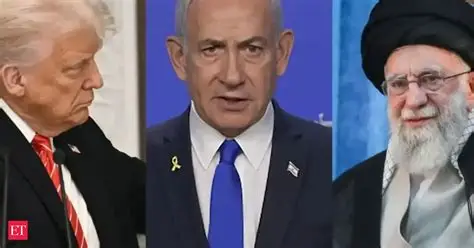
The fragile ceasefire between the United States and Iran is collapsing in real time, with President Donald Trump declaring Iran’s latest response to a U.S. peace proposal “TOTALLY UNACCEPTABLE” and Iran warning Washington against further military aggression. Diplomatic channels through Pakistani mediators remain technically open, but every signal from both capitals suggests the window for a negotiated settlement is closing rapidly.
Iran delivered its response to U.S. proposals to Pakistani intermediaries on Sunday, according to the state-run Islamic Republic News Agency. The response apparently did not meet Washington’s terms, triggering Trump’s social media statement and raising fears across global markets that the February 28 air war, which began with Operation Epic Fury and the assassination of Supreme Leader Ali Khamenei, could resume in force.
The humanitarian toll of the conflict already runs deep. Preliminary figures compiled from multiple international health sources place Iranian civilian deaths at approximately 3,468, Lebanese fatalities linked to Hezbollah-Israel exchanges at 2,702, and Gulf state casualties at 28. The figures will rise as conflict zones remain inaccessible to independent verification teams.
Inside Iran, ordinary citizens are experiencing economic collapse. U.S.-enforced naval blockade conditions and international sanctions have sent food prices skyrocketing. Iran’s currency has plunged to record lows against the dollar. Inflation now runs at emergency levels across the country. The gap between the government’s public defiance and the private suffering of Iranian families grows wider by the week.
The Strait of Hormuz situation remains the most dangerous variable. Despite a brief ceasefire declaration in April, shipping through the waterway has not meaningfully recovered. The U.S. military’s “Project Freedom” escort operation has moved only two U.S.-flagged merchant ships through the Strait since its announcement. Commercial shipping companies remain unwilling to risk vessels and crews in a waterway where Iranian missile and drone attacks have continued.
International maritime organizations are pressing for genuine assurances before recommending crew deployment into the Strait. The International Maritime Organization reports that up to 20,000 seafarers on approximately 2,000 vessels remain stranded, unable to exit the Persian Gulf safely. Many have been on their ships for weeks beyond their contracted rotation periods.
The energy consequences continue cascading outward. Oil prices surged nearly 6% in a single session last week on news of renewed Strait violence, with Brent crude touching $114.44 per barrel before easing slightly Tuesday. The IEA’s emergency stock release has provided temporary relief but cannot compensate for the loss of 14 million barrels per day of Gulf production that has been shut in since March.
The Trump-Xi summit in Beijing carries the Strait’s reopening as its most urgent practical agenda item. Southeast Asian nations, which import the majority of their energy from Gulf producers, have lobbied intensively for a joint U.S.-China initiative to restore freedom of navigation. Singapore’s government has made the economic toll of the closure explicit in public communications. Whether the two largest economies can align on a military and diplomatic framework to reopen the waterway remains the summit’s most consequential test.
Read More: Iran Rejects US Ceasefire Proposal 2026: Trump Calls Response Totally Unacceptable as Oil Prices Surge Past $100
For Europe, the clock is running out before energy markets enter summer refill season. European gas storage entered 2026 at historically low levels of around 30% capacity following a harsh winter. If Qatari LNG does not resume flowing before summer, economists warn of an energy crunch severe enough to trigger technical recession across multiple European economies, particularly in Germany, where energy-intensive manufacturing already faces existential cost pressure
Iran holds significant leverage, and its leadership understands it. The Strait of Hormuz is Iran’s most powerful remaining card after the loss of Khamenei and significant military infrastructure. Using it keeps pressure on Washington. Closing it permanently risks a military campaign to force it open. Tehran is calculating how long it can sustain that position while domestic economic collapse accelerates.
The world’s next 30 days may determine whether 2026 becomes a year of managed crisis or outright global economic catastrophe.


