
BREAKING NEWS DESK | INTERNATIONAL BUREAU | JUNE 7, 2026
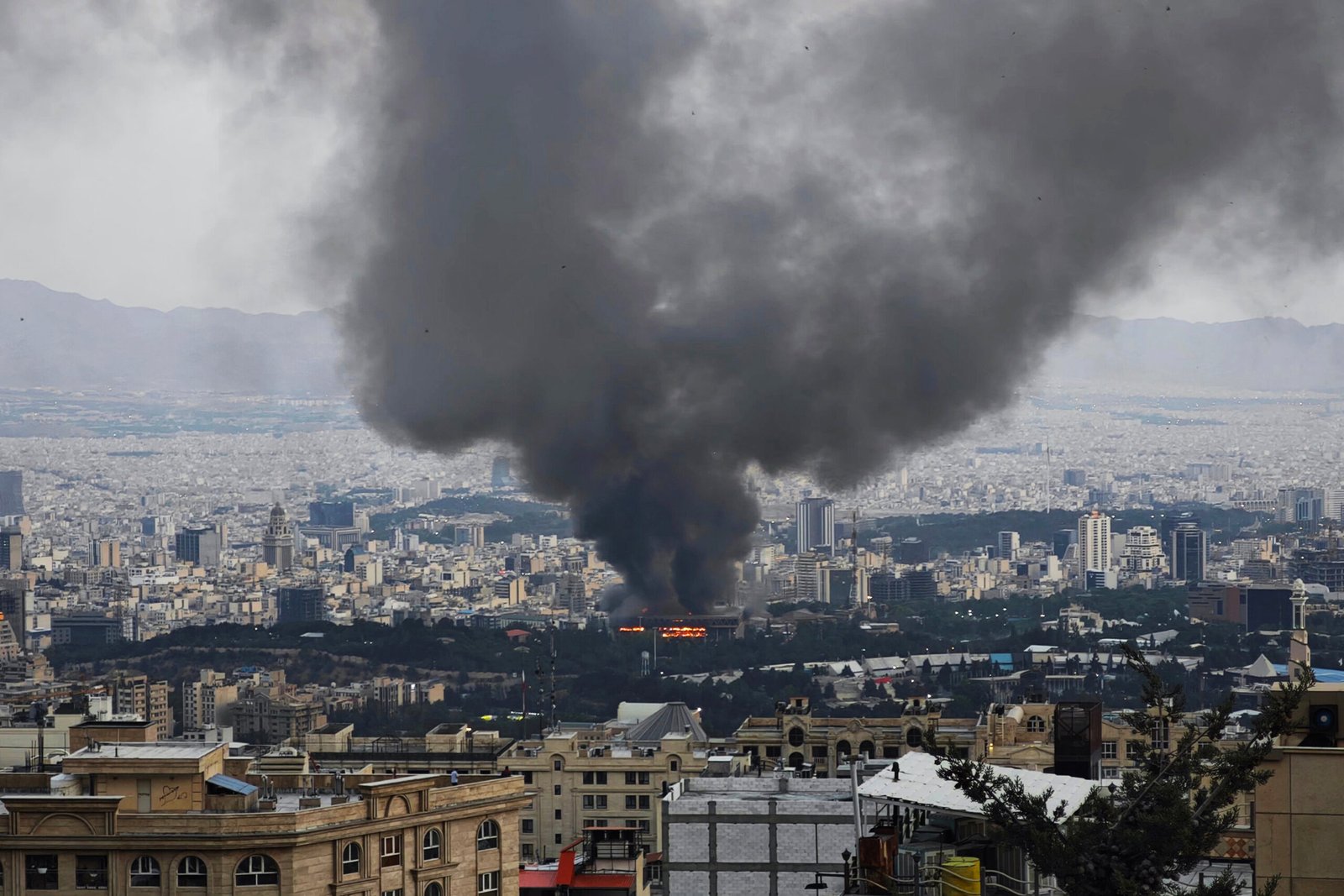
Gulf tensions exploded back into full-scale military confrontation this week as Iran launched fresh drone and missile attacks on Kuwait and Bahrain, heavily damaging Kuwait International Airport and targeting American military installations, exposing the fragility of a ceasefire that both Washington and Tehran claimed to support while simultaneously conducting strikes across the region.
Iranian drones struck a passenger terminal at Kuwait International Airport on June 3, 2026, killing at least one person, wounding dozens, and forcing authorities to suspend commercial flights from one of the Gulf’s busiest aviation hubs. Iran denied responsibility for the airport damage even as Kuwaiti officials confirmed that Iranian drone operators had targeted vital civilian infrastructure. The attack sent global aviation insurers scrambling to reassess war-risk premiums across the entire Gulf region, which handles roughly 15 percent of worldwide air traffic.
In Bahrain, Iranian strikes targeted multiple buildings in the capital Manama including the district of Juffair, home to the United States Navy’s Fifth Fleet headquarters at Naval Support Activity Bahrain. American and Bahraini air defense forces intercepted multiple incoming missiles, limiting physical damage, but the psychological impact of repeated attacks on the most significant American naval base in the Middle East reverberated through Pentagon planning rooms and congressional hearings in Washington.
Iran’s navy separately claimed that it targeted a US Central Command facility in direct response to recent American military actions against Iranian forces. US Central Command denied the claim but confirmed that it used a Hellfire missile strike near the Strait of Hormuz in a retaliatory operation that underscored how quickly individual skirmishes in the waterway can escalate into coordinated exchanges of lethal force. The Strait, which normally carries approximately a quarter of global seaborne oil and significant volumes of liquefied natural gas, has remained largely closed to commercial shipping since the United States and Israel launched strikes on Iran in late February 2026, producing what the World Bank has described as the largest oil market disruption in history.
Brent crude prices jumped nearly 2 percent on the day of the latest strikes, extending a months-long period of extreme energy market volatility. The International Energy Agency reported in late May that cumulative oil supply losses from Middle Eastern producers now exceed one billion barrels since the conflict began, with more than 14 million barrels per day of production effectively shut in by a combination of infrastructure damage, tanker insurance pullbacks, and active hostilities near shipping lanes. Brent futures, which surged past $115 per barrel in early March before easing when a temporary ceasefire was announced in April, remain well above pre-conflict levels and show no sign of sustained decline as long as the Strait of Hormuz stays contested.
President Donald Trump addressed reporters at the White House and described the US blockade of Iranian ports as the most powerful tool at his disposal, suggesting it gave Washington more leverage over Tehran than military strikes alone. Trump also disclosed that Iran had agreed, at least in principle, to allow American personnel into the country to recover buried nuclear material once the conflict ends, a claim that Iranian officials neither confirmed nor denied through official channels.
Read More: US AI Policy 2026: White House Moves to Federalize Artificial Intelligence Regulation and Override State Laws
The humanitarian fallout from the conflict continues to deepen across the Gulf. Kuwait suspended commercial flights, cutting off air links for millions of residents and expatriate workers who depend on the country’s aviation network. Supply chains carrying food, medicine, and industrial goods through the region face prolonged disruption. Energy prices across Europe, Asia, and Africa have climbed significantly in response to the supply shock, placing particular pressure on developing economies that cannot afford expensive alternative energy sources.
Diplomats from multiple nations continue to pursue negotiations, but the pattern of strikes and counter-strikes that has dominated events since February suggests that neither Iran nor the United States has yet decided that a durable political settlement serves its immediate interests better than sustained military pressure.


