
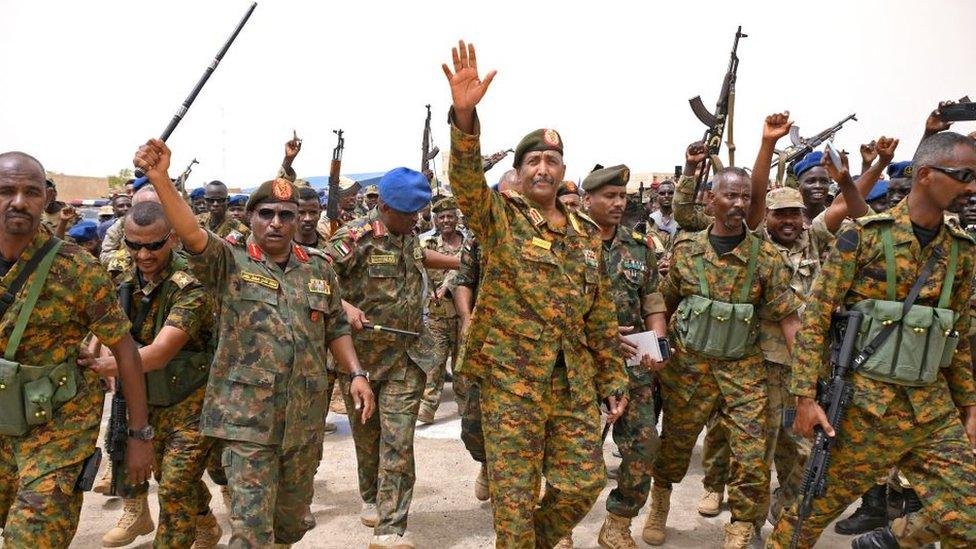
The United Nations issued an urgent warning Wednesday that the war in Sudan has entered what it describes as its deadliest phase since the conflict between the Sudanese Armed Forces and the Rapid Support Forces began in April 2023. Armed drones have become the leading cause of civilian deaths, UN officials confirmed, striking markets, displacement camps, and civilian infrastructure across multiple regions simultaneously in a pattern of violence that is overwhelming the humanitarian response.
Over 100 people were killed in a single airstrike on a market in Zamfara, a northern Nigerian state near Sudan’s border region, in the latest incident to shock international observers. Separately, dozens of Nigerians have been feared dead following Chad Air Force strikes that appear to have crossed into communities along the volatile border zone, a development that threatens to internationalise a conflict that regional powers have so far managed to keep from spilling across borders.
UN Secretary-General Antonio Guterres, speaking at the Africa Forward Summit in Nairobi this week, said the situation in Sudan demands immediate global attention. He highlighted Africa’s leadership role in seeking peace while warning that without a dramatic escalation of international support, the humanitarian catastrophe will continue to deepen. More than 10 million people have been displaced since the conflict began, making Sudan’s crisis one of the world’s largest displacement emergencies.
The spread of armed drone warfare across the conflict zone has changed the nature of the fighting in ways that put civilians at far greater risk. Drones are inexpensive enough to deploy at scale, difficult to track with limited radar infrastructure, and precise enough to strike specific locations, including crowded public spaces. UN field teams have documented systematic attacks on hospitals, grain warehouses, and water infrastructure.
Regional powers including Egypt, the United Arab Emirates, and Ethiopia all have strategic interests in Sudan’s outcome, and diplomatic sources say back-channel communications between these governments and the warring parties have intensified in recent weeks. The African Union has renewed calls for an immediate ceasefire, but previous ceasefire agreements have collapsed within days of their announcement.
The humanitarian situation inside Sudan grows more desperate by the week. Aid organizations report that less than 30 percent of the population in conflict-affected areas has reliable access to food and clean water. Famine conditions have been declared in multiple regions. International donors have pledged funds but delivery of aid remains severely constrained by security conditions on the ground.
For neighboring countries, the implications are severe. The Central African Republic, Chad, South Sudan, and Ethiopia are all managing significant influxes of Sudanese refugees. These countries already face their own political and economic pressures. Chad, which the United States added to its Level 4 “Do Not Travel” list in April 2026 citing rising insecurity and kidnapping concerns, is particularly strained.
Read More: Iran Rejects US Ceasefire Proposal 2026: Trump Calls Response Totally Unacceptable as Oil Prices Surge Past $100
The broader African security picture is deteriorating. Burkina Faso was added this month to Washington’s highest travel advisory level, joining eight other African nations already on the list. Countries across the Sahel, Central Africa, North Africa, and the Horn of Africa now appear on that list, reflecting the scale of the continent’s overlapping security crises.
The international community’s response remains fragmented. European governments have allocated humanitarian funding but remain reluctant to engage militarily. The United States, deeply preoccupied with the Iran war and the Trump-Xi summit in Beijing, has not indicated any intention to increase its Sudan engagement. Without a significant and coordinated international intervention, the UN warns the conflict could persist for years, destroying what remains of Sudan’s social and economic fabric.


